Brent Reclaims $100 After Iran Strikes Oman's Oil Bypass
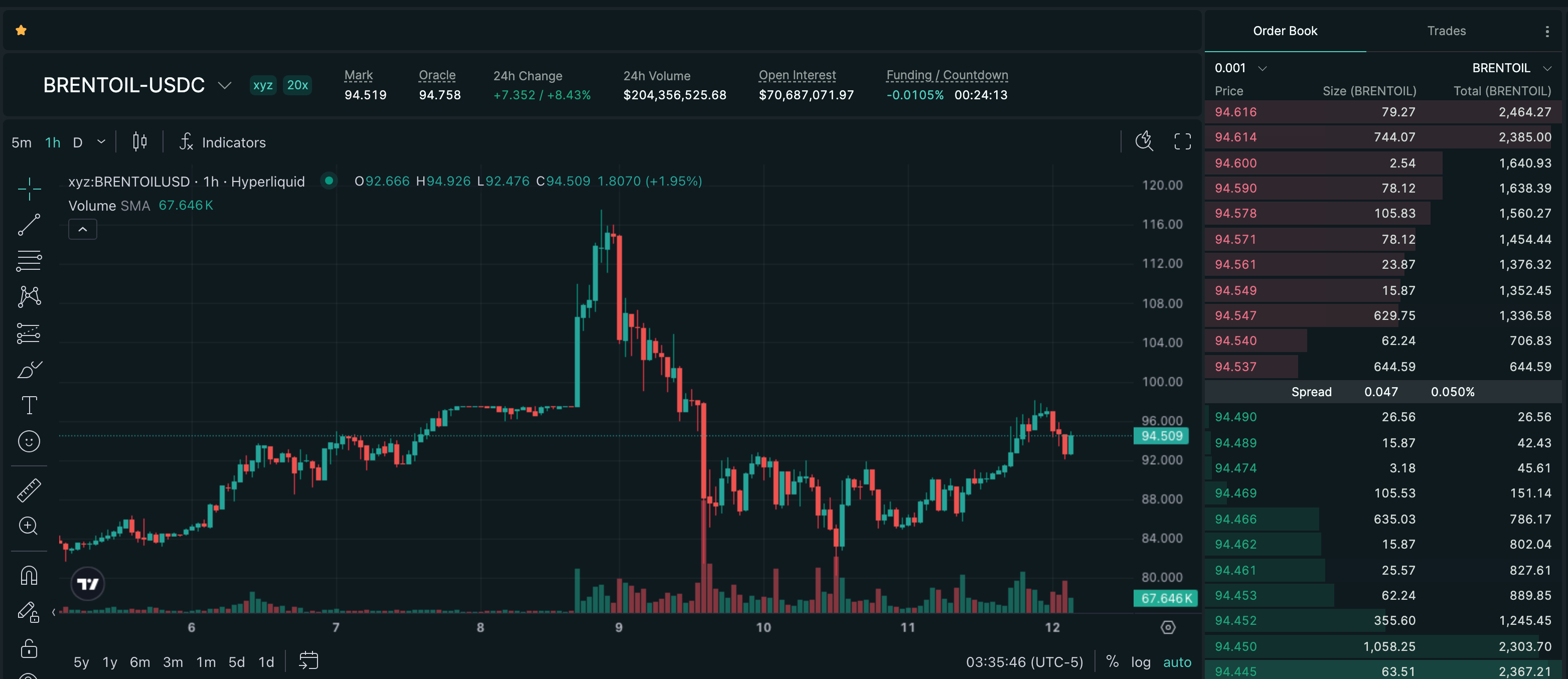
Brent crude pushed back above $100 per barrel on March 12 after Iranian drones struck fuel storage tanks at Oman's Port of Salalah, the key alternative route tankers had been using to avoid the closed Strait of Hormuz. The IEA's record 400-million-barrel reserve release, announced the previous day, failed to hold prices below $90. Goldman Sachs responded by more than doubling its Hormuz disruption assumption from 10 to 21 days.
Mover Brief
Salalah Changes the Calculus
The Strait of Hormuz has been effectively closed to commercial traffic since early March. Tankers rerouted to Oman's Port of Salalah, on the southern coast facing the Arabian Sea, as the primary alternative. On March 11, Iranian drones struck the port's largest fuel storage facility, igniting at least three fuel tanks and sending thick smoke across the complex.
Oman is not a belligerent in this war. The strike on Salalah — along with earlier Iranian attacks on Duqm Port since March 1 — signals that Iran is deliberately targeting the bypass infrastructure, not just the strait itself. If Hormuz is the front door for Gulf crude, Salalah was the back door. Iran just set fire to it.
The Argus Media report confirmed multiple tanks damaged. With both the strait and its main alternative now under direct threat, there is no safe maritime route for crude leaving the Persian Gulf. Saudi Aramco's East-West pipeline to the Red Sea port of Yanbu remains the only functioning outlet, and it can carry roughly 5 million barrels per day — a fraction of the 20 million bpd that normally moves by sea.
400 Million Barrels, 12 Days Too Late
The IEA's unanimous 400-million-barrel reserve release is the largest in the agency's history, more than double the 182-million-barrel response to Russia's invasion of Ukraine. The U.S. is contributing 172 million barrels, Japan 80 million, South Korea 22.5 million, Germany 19.5 million, and France 14.5 million.
The market's verdict was immediate and blunt. Brent briefly dipped below $85 on early headlines, then reversed straight through $100. The cumulative supply shortfall from 12 days of Hormuz closure already exceeds 200 million barrels — half of the entire planned release, before a single SPR barrel has shipped.
JPMorgan estimates that IEA members can physically deliver a maximum of 1.2 million barrels per day from reserves. The strait normally carries 20 million bpd. That is a 6% replacement rate. Maksim Sonin at Stanford's Center for Fuels of the Future noted that markets are pricing on expectations, not announcements, and so far expectations remain firmly on the concerned side. Gregor Semieniuk at UMass Amherst added the longer-term problem: once the reserves are gone, "part of the firepower is gone and a continued blockage is even more threatening."
Goldman Extends the Clock
Goldman Sachs raised its Q4 2026 Brent forecast to $71 per barrel from $66, and WTI to $67 from $62. The key assumption change: Goldman now models 21 days of severely constrained Hormuz flows at 10% of normal levels, followed by a 30-day gradual recovery. The previous assumption was a 10-day disruption.
Goldman's fair value range sits at $76 to $93 if the disruption continues on its current trajectory. Brent is trading above $100 — meaning the market is pricing in a scenario worse than Goldman's base case. The gap between Goldman's ceiling and spot represents the premium for an open-ended closure that nobody in Washington or Riyadh has a plan to resolve.
The EIA revised its 2026 Brent average from $57.69 to $78.84, projecting prices above $95 for the next two months before declining to around $70 by year-end — but that forecast assumes the conflict doesn't worsen. Given that Iran is now expanding its target set beyond Hormuz to alternative export infrastructure, the base case for a quick resolution is eroding by the day. If the disruption extends, analysts at UMass warn prices could exceed $150, potentially reaching above $200 with sustained 20% supply cuts.
Sources & Provenance
Citations below are preserved as structured Postgres source rows for this brief.
Citations Preserved
7
Reference links carried forward from the published mover record.
Original Signal
Open source tweetMarket Route
Direct route preserved for readers who want to inspect the tracked Hyperliquid market behind this archive entry.
Already onboarded? Open tracked market- 1Al Jazeera — Oil facilities in Oman's Salalah port ablaze after drone strikesaljazeera.com
- 2OilPrice.com — Iranian Drone Strike Hits Oman's Largest Oil Storage Facilityoilprice.com
- 3Al Jazeera — Why historic oil reserves release may do little to bring down rising pricesaljazeera.com
- 4NBC News — IEA to release 400 million barrels of oil from strategic reservesnbcnews.com
- 5OilPrice.com — Goldman Sachs Raises Oil Price Forecast as Middle East Conflict Escalatesoilprice.com
- 6Reuters — Goldman Sachs raises Q4 Brent, WTI crude price forecast amid longer Hormuz disruptionreuters.com
- 7Rigzone — EIA Boosts Brent Forecast in Wake of Iran Conflictrigzone.com
This content is for informational purposes only and does not constitute financial advice. Trading perpetual futures involves substantial risk of loss.
Trade BRENTOIL on Hyperliquid
Use referral code HIPERWIRE for 4% off trading fees on your first $25M in volume.
Live Market Metrics
Monitor real-time open interest and funding for BRENTOIL.